Guides
Heat pump water heater vs. gas tankless: a cost and performance comparison
Heat pump water heater vs gas tankless comes down to peak hour demand, panel capacity and fuel. A criteria table shows where each one wins and what neither fixes.
What to take away
- A heat pump water heater usually costs less to run than gas tankless at national average energy prices, and more to install.
- The ratings are not comparable: heat pump models carry Uniform Energy Factor figures of 3.0 to 4.0, while gas tankless sits between 0.82 and 0.96.
- The 25C credit gives a heat pump water heater 30 percent of cost up to $2,000. A qualifying tankless unit tops out near $600.
- Gas tankless wins on peak demand and on very cold incoming water.
- Neither option fixes a long uninsulated run, a full electrical panel, or high household hot water use.
Where the two systems diverge
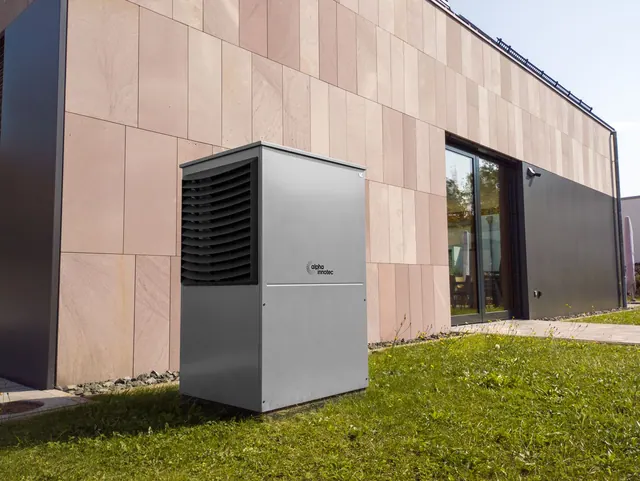
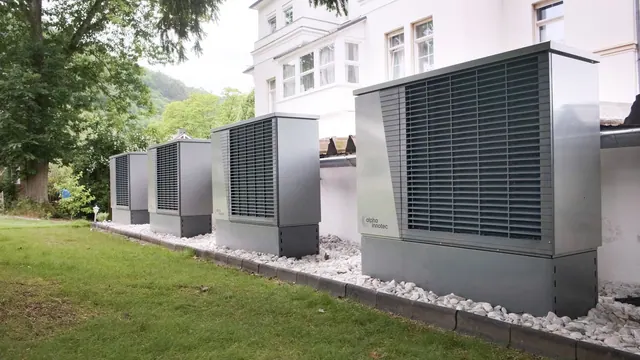
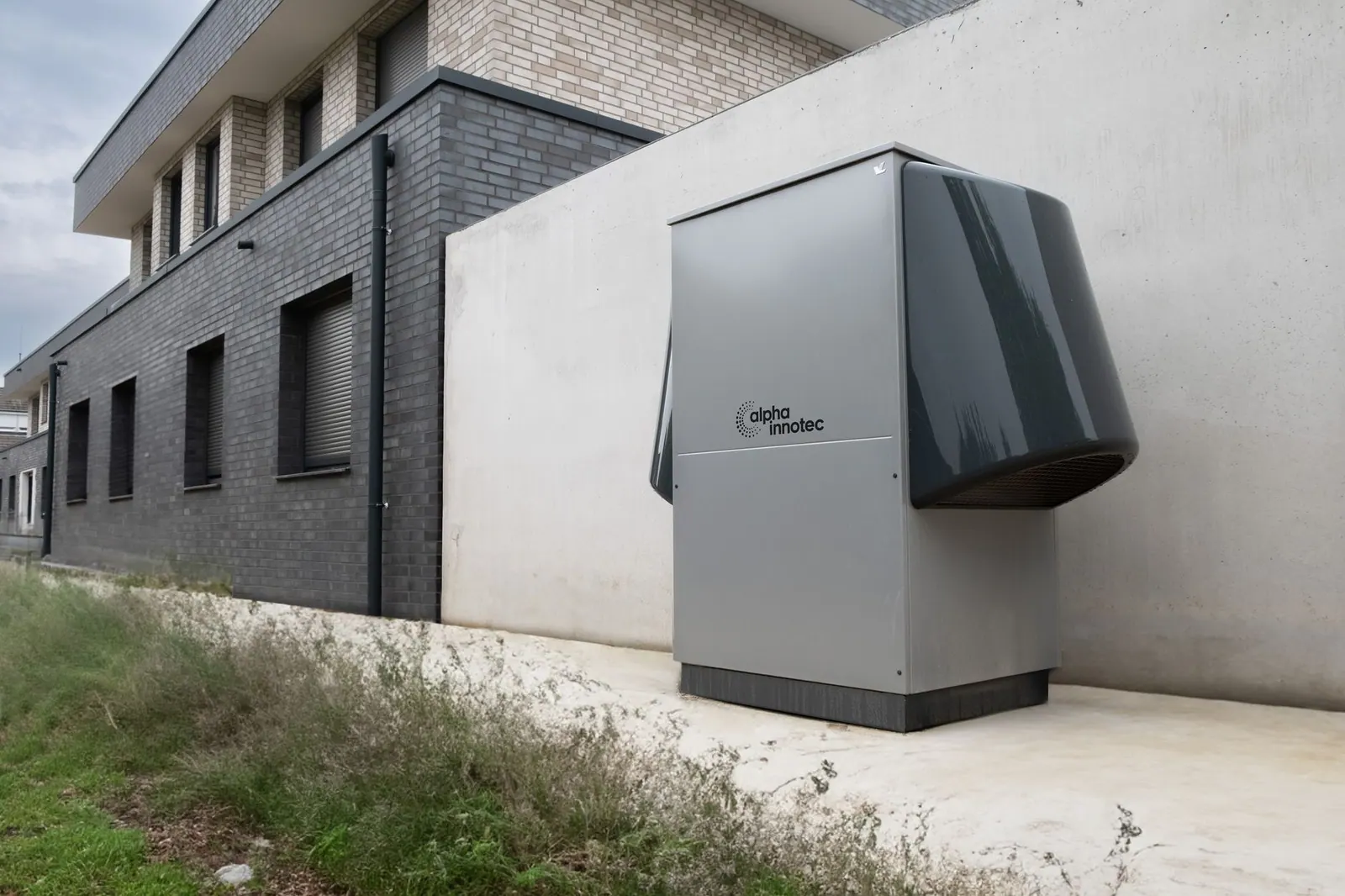
Heat pump water heaters move heat from surrounding air into the tank with a compressor. Gas tankless units burn fuel only while a hot tap is open, heating water as it crosses a coil. One stores slowly and the other never runs dry.
Both carry a Uniform Energy Factor, a single number that flatters the heat pump unit and says little about comfort. ENERGY STAR heat pump water heater listings put models between 3.0 and 4.0. Gas tankless units typically land between 0.82 and 0.96.
The criteria that matter
Six criteria settle this in a real house: worst hour demand, the temperature where the unit sits, electrical capacity, gas infrastructure, floor space and local energy prices.
| Criterion | Heat pump water heater | Gas tankless |
|---|---|---|
| Uniform Energy Factor | 3.0 to 4.0 | 0.82 to 0.96 |
| First hour rating | 45 to 75 gallons | Continuous, 5 to 11 gallons per minute |
| Recovery after a big draw | An hour or more | Immediate |
| 25C federal credit | 30 percent of cost, up to $2,000 | Up to $600 on a qualifying unit |
| Electrical work | Dedicated 240 volt circuit, sometimes a panel upgrade | Ordinary circuit for the controls |
| Gas and venting | None, if no other gas appliance stays | Larger gas line plus a stainless or PVC vent |
Heat pump quotes vary widely, so the nine checks worth making before you sign are worth a pass.
Heat pump water heater under real loads
A heat pump water heater needs air volume. A garage or basement with about 700 to 1,000 cubic feet suits a 50 to 80 gallon unit. In a closet, expect to duct it, and expect that space to run cooler and damper.
Cold air cuts output. In a garage holding near 40F for weeks, recovery slows and the backup resistance element takes over. Near 1.0 efficiency, that element erases much of the savings during the cold stretch.
Rheem lists ProTerra figures near 3.5 to 4.0 across sizes, all measured under standard conditions rather than in a cold garage. An installer who measures the room, the panel and the hot water demand before quoting is running the contractor checks that catch problems early.
Gas tankless under real loads
A tankless unit's limit is usually its gas line, not its burner. Most residential models want a dedicated 3/4 inch line, and a long run from the meter can require 1 inch. Where the existing line is 1/2 inch, expect new pipe, and expect that to be a large share of the quote.
Venting is the other fixed cost. Condensing units can use PVC but produce acidic condensate that needs neutralizing. Non-condensing models need stainless steel. The gas piping rules sit in NFPA 54, the National Fuel Gas Code.
Where each one wins
A heat pump water heater is the right answer when the unit has room to breathe and the space around it stays moderate. Slower recovery is the price, and plenty of households never notice it. It also wins where the home is dropping gas anyway.
Gas tankless is the right answer when demand is spiky: two or three showers at once, a tub filling, laundry running. It also wins where floor space is tight and the gas service is staying for a furnace or range.
Example: two showers at 7 a.m.
Take a household of four with two showers running together for 20 minutes at 2 gallons per minute each, about 80 gallons in one hour. A 50 gallon heat pump unit with a first hour rating near 60 gallons leans on its element for part of that. A tankless unit rated at 8 gallons per minute covers it without strain.
Stagger the showers by 30 minutes and the heat pump recovers on the compressor alone. Matching the machine to that peak load is the point, and the products worth comparing in 2027 list sorts units on that basis.
Size a heat pump water heater on the worst hour of the week, not the daily average.
What neither option solves
Neither shortens a long uninsulated run between the heater and the tap, and neither lowers household hot water use. Both still need a load calculation before a 240 volt circuit goes in under NFPA 70.
Air filters and condensate lines get ignored on heat pumps. Scale gets ignored on tankless units. The maintenance habits quietly damage roundup covers what that neglect costs.
If the water heater was the last gas appliance, an idle meter keeps charging a monthly fee. Removing the service means a utility disconnect and a capped line, sometimes with a fee attached.
Common questions
Does a heat pump water heater work in a cold garage? It runs, but output drops and the backup element does more work below roughly 40F. Ducting warmer indoor air to the unit helps.
Is gas tankless cheaper to run? Rarely at national average prices. Tankless beats a storage tank on efficiency, but it burns fuel while a heat pump moves heat rather than making it.
What if I keep gas for cooking? Then the meter charge stays, and the argument for removing the gas service disappears with it.