Guides
Part of Heat pump types compared on value, upkeep and fit
Heat pump quotes: nine checks worth making before you sign
The nine things to verify before accepting a heat pump quote, from design temperature capacity to backup heat lockout and documented commissioning readings.
This is a verification list for a quote already in front of you, not a shopping guide. Work through it item by item and mark each one confirmed, unconfirmed or refused. The refused column is usually the most informative, because a contractor unwilling to supply a design temperature capacity figure has told you something about the rest of the job.
What to take away
- Ask for capacity at your design temperature, not at a rating condition.
- Confirm the backup heat strategy and its lockout setting in writing.
- Efficiency minimums differ by region, so confirm what applies to you.
- Commissioning readings are a deliverable, not a courtesy.
The nine checks
- Load calculation.Performed on site, with the output shared. Not a rule of thumb from the old unit's capacity.
- Capacity at design temperature.The heating output at the coldest condition your area designs for, not at a mild rating point.
- Backup heat plan.What provides it, how much, and at what outdoor temperature it engages.
- Lockout settings.The control thresholds that decide when expensive resistance heat runs, documented at commissioning.
- Duct assessment.For ducted systems, measured leakage and static pressure rather than a visual glance.
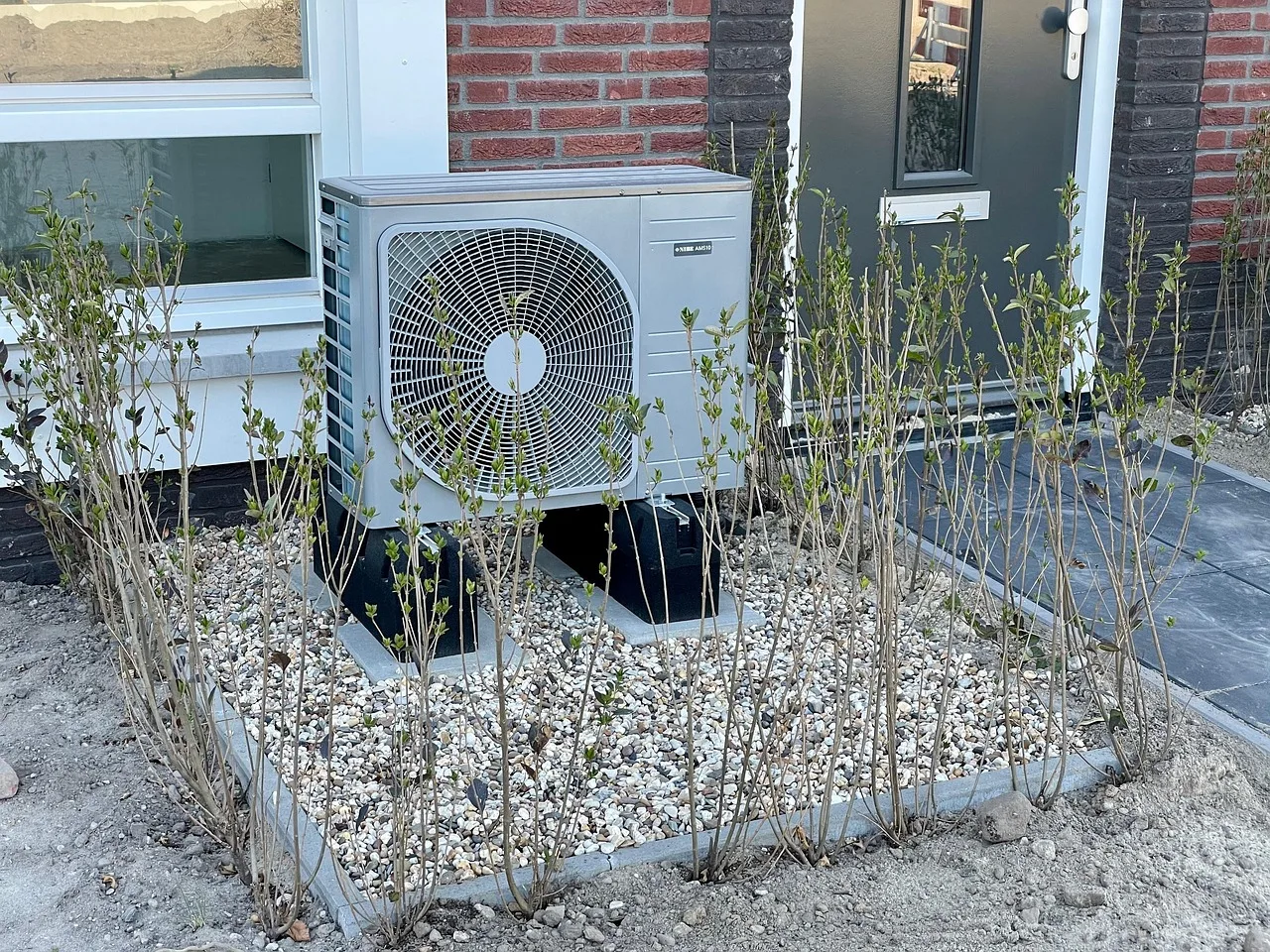
- Outdoor placement.Setbacks, sound at the property line, snow clearance height, and service access.
- Electrical scope.Circuit, breaker, panel work, and the permit, with the license holder named.
- Refrigerant handling.Recovery from the old system, and charge verification on the new one.
- Commissioning package.Airflow, charge, electrical readings and control settings, handed over as a document.
Items two, three and four are where heat pump projects most often disappoint, and all three are settled on paper before installation.
Nine pre-signature heat pump checks
- Load calculation performed on site
- Capacity at design temperature
- Backup heat plan
- Lockout settings documented
- Duct leakage and static pressure
- Outdoor placement and clearances
- Electrical scope and permit
- Refrigerant recovery and charge
Efficiency minimums are regional
The minimum efficiency a product must meet is not uniform across the country. EIA's account of how efficiency requirements for residential central air conditioners and heat pumps were raised describes the standards structure, including the way requirements differ between regions of the United States.
The practical consequence for a buyer is narrow: confirm that the specific model quoted is compliant for your region, and treat a quote for equipment intended for a different region as a problem to resolve rather than a bargain.
Ground-source needs its own questions
If ground-source is on the table, add four items:
| Extra check | Why |
|---|---|
| Loop design basis | Sized against the load calculation, not a rule of thumb |
| Site assessment | Soil, rock, water table, drilling or trenching access |
| Restoration scope | What the yard looks like afterwards, and who pays |
| Loop warranty | Separate from the equipment warranty, and much longer |
The broader category is worth understanding first. The EIA overview of how geothermal energy is used in the United States puts residential ground-source in the context of the wider resource, which helps when a contractor's description of the technology sounds more novel than it is.
What to do with the completed list
Anything marked unconfirmed goes back to the contractor as a written question. Anything refused becomes a decision: proceed knowing the gap, or ask a different company. For the system-type decision that sits upstream of all this, see our comparison of heat pump system shapes; for the general purchase questions, what to ask before signing.