Maintenance
Part of Electrification Mistakes: Plan Replacements Early
Which maintenance habits quietly damage electric equipment
The upkeep errors that shorten equipment life: blocked airflow, wrong filters, ignored controls and the small neglect that turns into a compressor failure.
A maintenance plan describes what to do. This article describes what people do instead, because the failure modes are consistent and most of them are the result of a reasonable-sounding habit rather than neglect. Each item below is something a careful homeowner might do while believing they are helping.
What to take away
- Closing registers in unused rooms raises system pressure and hurts performance.
- A denser filter is not automatically a better filter.
- Screening or enclosing an outdoor unit restricts the airflow it needs.
- Control settings drift, and nobody notices until a bill arrives.
Habits that look helpful
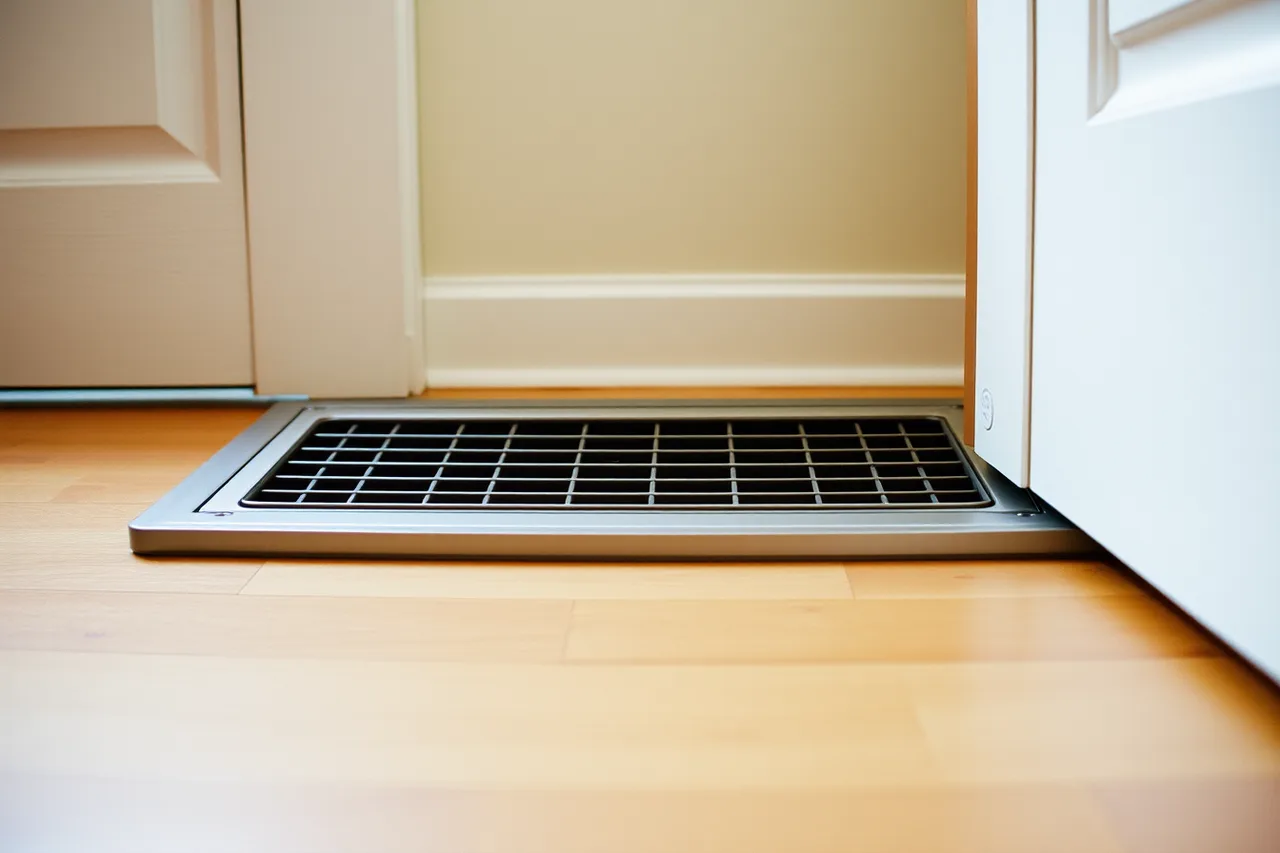
Closing registers in unused rooms. Ducted systems are designed around a total airflow. Closing outlets raises static pressure, reduces airflow across the coil and can push the system towards nuisance faults. Close doors if you must; leave registers open.
Fitting the densest filter available. Filtration and airflow trade against each other. A filter far denser than the system was designed for restricts airflow in the same way a dirty filter does. Match the specification in the equipment documents.
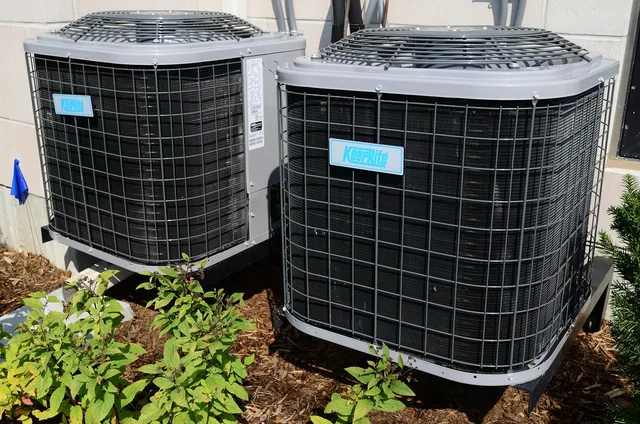
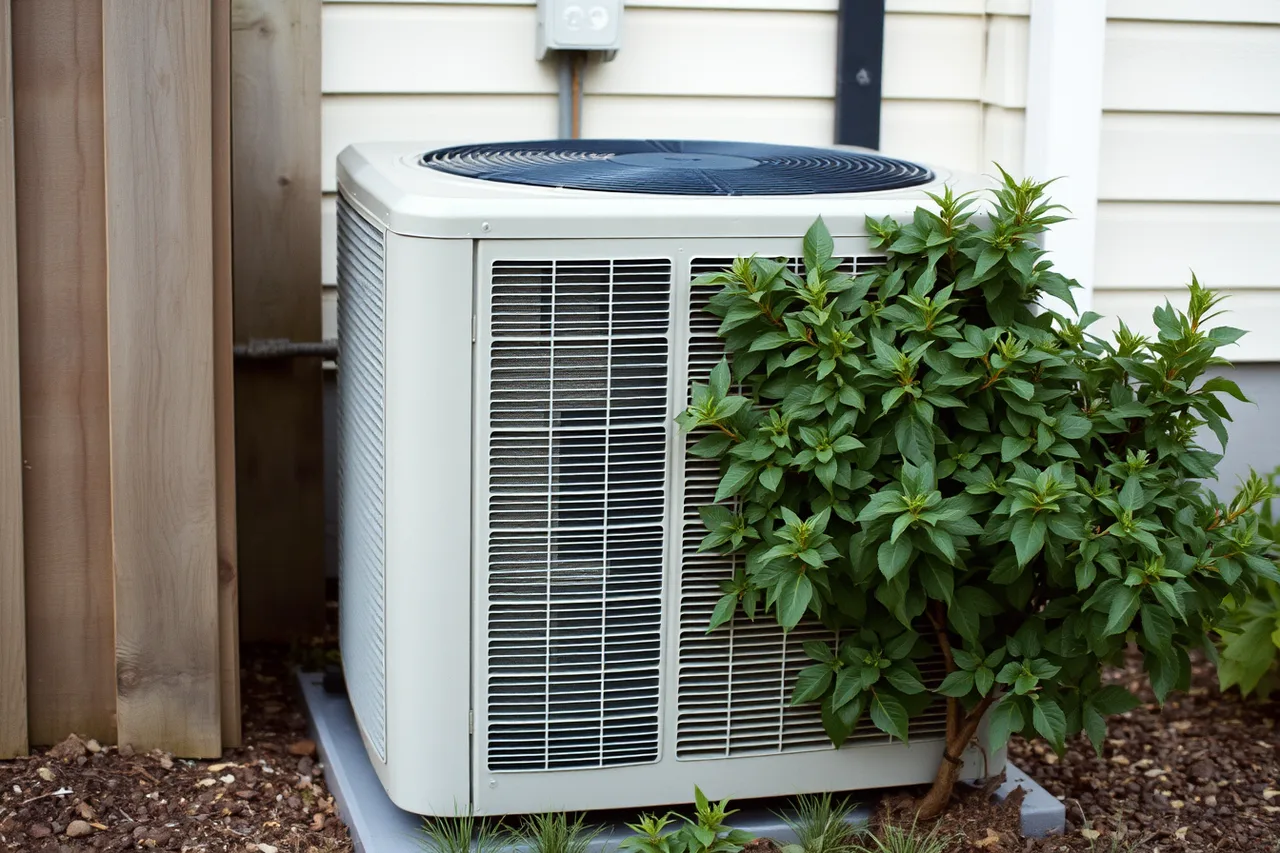
Hiding the outdoor unit. Decorative screening, a fence built close, a shrub allowed to grow in are all common. Manufacturers specify clearances because the unit needs to move a large volume of air, and a restricted unit works harder for less output.
Turning the system off when away. For a heat pump, letting a house drop a long way then recovering it often means running expensive resistance backup heat. A modest setback usually costs less than a deep one.
The controls nobody revisits
Thermostats are almost universal on U.S. central systems; EIA's finding that most homes have a central thermostat controlling heating and cooling equipment means the control layer is where most households actually interact with their heating.
That layer drifts. Schedules set for an old routine, a changeover temperature left at a default, a backup heat lockout configured for the previous equipment. None of it announces itself. The federal research program on building controls exists partly because control configuration determines so much of what a building actually consumes.
Put a calendar reminder to review settings twice a year, at the seasonal changeovers. It takes ten minutes.
A short table of consequences
| Habit | What it actually does |
|---|---|
| Registers closed | Higher static pressure, reduced airflow, more wear |
| Over-dense filter | Same effect as a dirty filter, permanently |
| Outdoor unit enclosed | Reduced capacity, higher head pressure |
| Deep setbacks on a heat pump | Recovery on resistance heat, higher bills |
| Skipped annual service | Warranty exposure and undetected drift |
| Condensate drain ignored | Water damage, and a shutdown on a hot day |
The condensate row causes more property damage than any other item on the list, and clearing a drain line is among the simplest tasks available. Most systems drain by gravity into a trap that a summer's worth of biological growth can block, which is why it fails on the hottest week rather than at a convenient moment.
Building the plan around the failure modes
Take the maintenance calendar from our upkeep plan for an electrified home, then add a twice-yearly controls review and a monthly walk past the outdoor unit. Those two additions cover most of what this article describes.
The wider timeline errors, including deferring maintenance until it becomes a replacement, sit in our piece on the errors that cost time.