Rules
Seal and Insulate a Small Room Before a Heat Pump and Panel Upgrade
Weatherize a small room before the heat pump goes in: code R-values, ASHRAE 62.2 ventilation rates, panel load math and what the electric bill does after.
What to take away
- Seal and insulate a compact room before the heat pump goes in, because a smaller load allows a smaller unit.
- Energy codes rate assemblies rather than individual products, so continuous insulation beats batts alone in a small room.
- Tight rooms need mechanical ventilation, and ASHRAE 62.2 rates with an HRV or ERV are the usual answer.
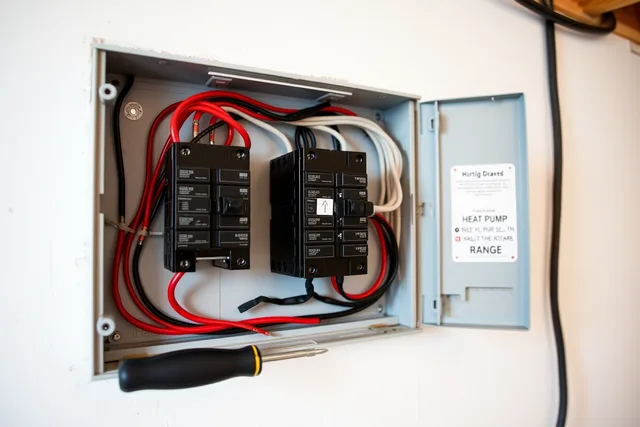
- Load calculations under NFPA 70 decide whether the panel can carry the heat pump, water heater and induction range.
A 12-by-16 bedroom with two exterior walls loses heat faster per square foot than a wide living room. Envelope work comes first in a home electrification plan for that reason.
Seal the room before you size the heat pump
A heat pump is sized from a room-by-room load calculation, and air sealing cuts that number. Compare bids line by line, since contracts bundle sealing, insulation, equipment and electrical work. Scoring three contractor bids shows how to line the numbers up.
Framing, window frames and rim joists bypass insulation. In a compact room those paths carry a bigger share of the loss.
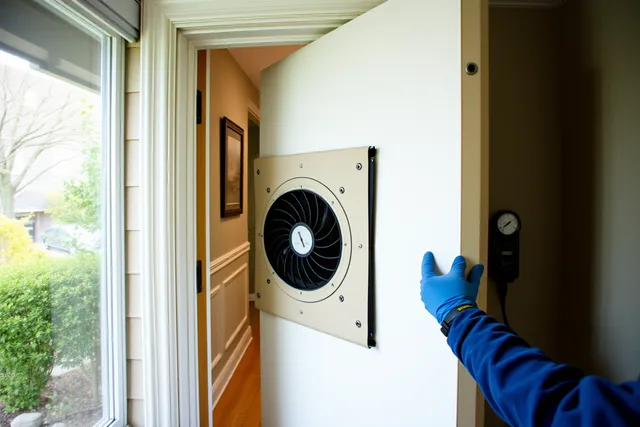
Programs usually ask for a blower door test before and after the work. Cold-climate targets often land near 3 air changes per hour at 50 pascals. Check the edition your state adopted.
Cold-climate performance differs between models. An overview of how heat pumps work explains the cycle and where low outdoor temperatures start to bite.
Minimum R-values for a compact room
Model energy codes such as the IECC set assembly targets. California runs Title 24, Massachusetts has a stretch code, and several states go beyond the base edition.
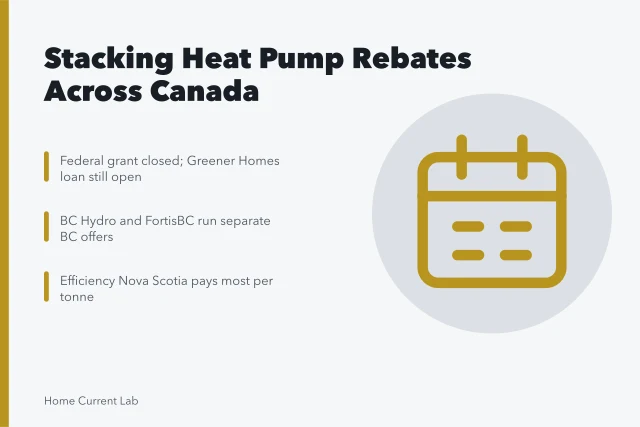
Programs often pair a shell incentive with an equipment rebate, and how Canada Greener Homes and provincial rebates stack shows how adders combine.
The ranges below are illustrative, not a compliance claim.
| Assembly | Illustrative target | What it changes |
|---|---|---|
| Exterior wall above grade | R-20 plus continuous insulation | Heat pump size and cycling |
| Flat ceiling under an attic | R-49 to R-60 | The largest loss in most houses |
| Floor over a crawlspace or garage | R-30 | Cold floors and duct losses |
| Rim joist and sill plate | Sealed, then insulated | Air leakage and ice dams |
| Windows | Double or triple pane with low-e | Comfort near glass on cold nights |
Effective thermal resistance counts framing and fasteners, not just the cavity fill. Taped sheathing closes gaps the rating assumes are closed.
A sequence that survives inspection
- Audit the room and record the blower door result.
- Air seal rim joists, top plates and penetrations.
- Add continuous insulation, then cavity insulation.
- Route ventilation ducts inside the conditioned space.
- Run the load calculation, then choose the heat pump.
Order matters, because moving a switch after the air barrier goes up means cutting it open again. Skipping the audit hides the leaks that matter most. Sequencing electrification work after an audit covers the same order for a whole house.
Ventilation once the room is tight
Airtight rooms need deliberate fresh air. ASHRAE 62.2 sets residential ventilation rates, and a small bedroom behind a closed door stagnates without a supply path.
An HRV recovers heat from exhaust air and brings in outside air. An ERV also moves moisture, which suits humid summers and moisture-sensitive finishes.
Panel capacity for the all-electric load
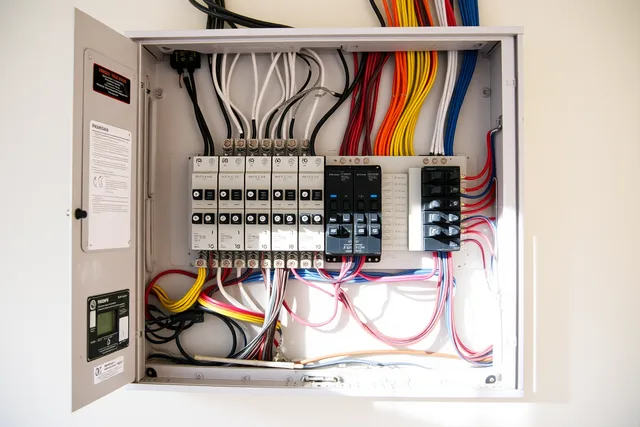
Heat pumps, heat pump water heaters and induction ranges add up faster than most households expect. Article 220 load calculations and Article 440 for heat pump condensers sit inside NFPA 70, the National Electrical Code.
An older 100-amp service often does not survive the math.
An illustrative range for a service upgrade runs from about $2,000 to $5,000, depending on meter location, utility work and permits. What a 200-amp upgrade costs for a heat pump in California breaks the line items down.
Heat pump water heaters carry their own efficiency figures, and ENERGY STAR heat pump water heater listings are a place to start comparing.
Example: a cold bedroom in a 1960s house
Say a 200-square-foot bedroom has two exterior walls, one double-pane window and an open rim joist. An audit puts the room near 6 air changes per hour at 50 pascals.
Sealing that rim joist and adding continuous insulation drops the load into a range one wall-mounted head can cover. The load calculation sets the size, not the floor area.
What the bills actually do
Weatherization lowers the heating load, and the heat pump turns that smaller load into electricity. Winter performance moves with outdoor temperature, so treat a coefficient of performance of 2 to 3 as an illustrative range.
The electric bill rises while the gas bill falls.
An hourly record from a home energy monitor shows the shape of that curve, which is how you spot a system running longer than the load requires.