Maintenance
Part of How to read an all-electric home case study properly
Going all-electric: five mistakes that surface later
Going all-electric usually ends well, but the last fuel appliance removed is where outages, hot water and standing charges catch households out.
Going fully electric is usually the right end point and rarely the right first move. The mistakes below cluster around the last step, the one that removes the final fuel appliance, because that is where a house loses redundancy it had never thought about.
What to take away
- A house with no fuel appliance has no cooking or hot water fallback during an outage unless you provided one on purpose.
- Heat pump water heaters recover more slowly than the tanks they replace, so size against your peak morning, not your average day.
- Panel headroom is cheapest to check before the first project, against the house you intend to finish with.
- A gas connection kept for one appliance carries the full standing charge, so price that before you remove the second-to-last one.
- Disconnecting the meter costs money, and reconnecting later costs more.
Mistake one: no plan for an outage
A gas range cooked through a power cut. A wood stove or gas water heater gave partial fallback. An all-electric house has none unless you built one in.
Decide before the last appliance goes, not during the first outage. A portable generator with a transfer switch covers the essentials, and the transfer switch is licensed electrical work under the Canadian Electrical Code or the NEC as your local authority adopts it.
Battery storage works if it is sized against what you actually need to run. A camping stove and a plan covers cooking for very little.
Choosing nothing is legitimate where supply is reliable, as long as it is a decision rather than a surprise.
At community scale the same problem is a live field. The Department of Energy's work on microgrid systems covers local generation and controls that keep supply going when the wider grid does not.
Mistake two: underestimating hot water recovery
Heat pump water heaters recover more slowly than the tanks they replace. Most households never notice. A household with consecutive morning showers and a laundry cycle notices immediately.
Size the tank against peak use rather than average use. Ask what the equipment does when demand outruns the heat pump, because the usual answer is resistance backup and a higher bill.
Mistake three: sizing the panel for today
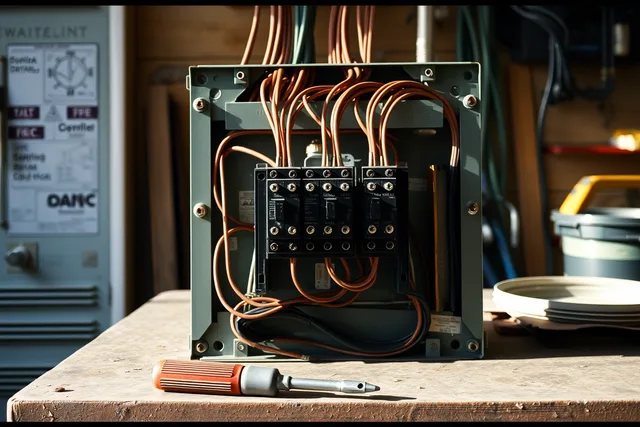
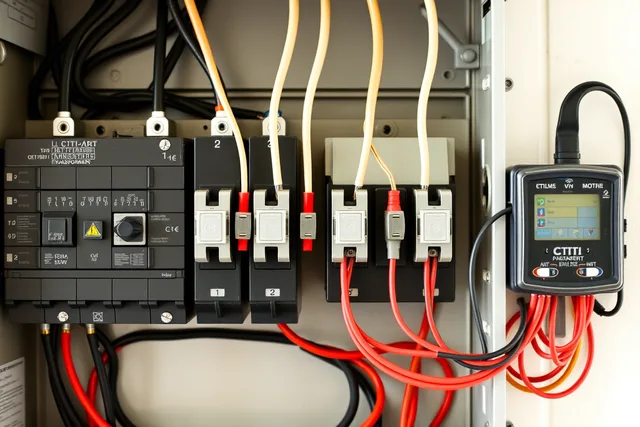
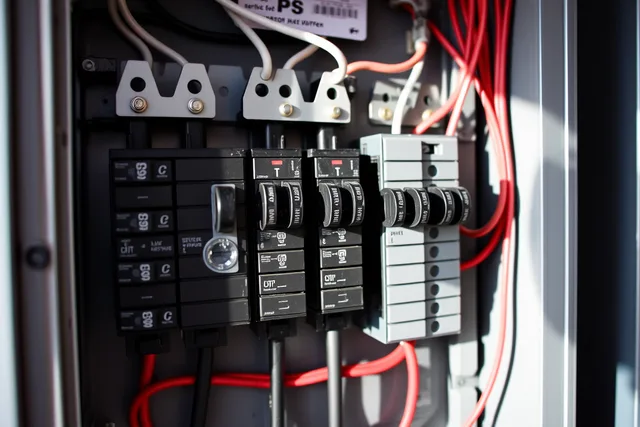
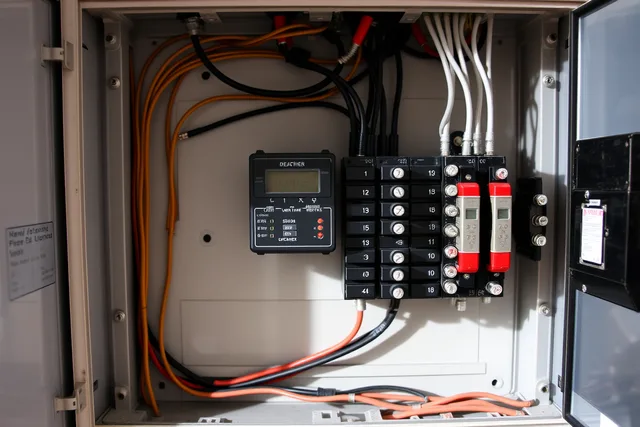
Panel headroom should be calculated against the house you intend to end up with, including equipment you plan to add. Doing panel work twice is a common and avoidable expense, and the second time always arrives at a worse moment. Your electrician and the local electrical authority having jurisdiction set what your service can carry.
Mistake four: the standing charge trap
Standing charge trap
| Situation | Result |
|---|---|
| Gas heating removed, gas range kept | Full gas standing charge for one appliance |
| Gas water heater removed, heating kept | Standing charge unchanged |
| Last gas appliance removed, connection kept | Standing charge continues until disconnection |
| Connection formally removed | Disconnection cost, and reconnection is expensive |
Gas pricing also behaves differently from spot markets. EIA's finding that changes in U.S. residential natural gas prices lag spot prices means the retail price you compare against may reflect market conditions from some months earlier.
Work out the standing charge position before removing the second-to-last gas appliance, because that is the point at which the remaining one becomes very expensive per unit of use.
Getting the order right
The last step deserves the hardest planning, not improvisation. The wider timing errors are covered in our piece on the errors that cost time, and the evidence question in reading a case study properly.
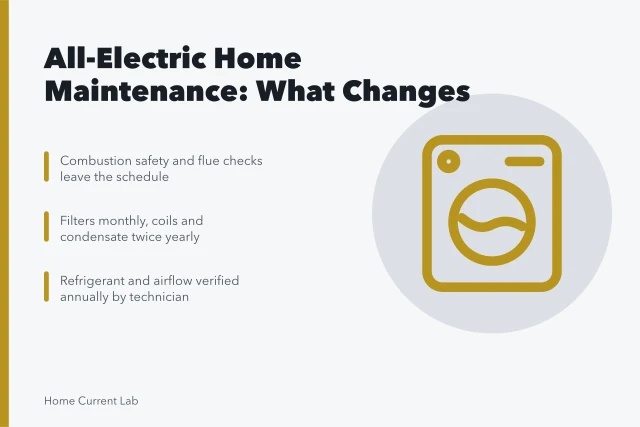
Households that sequenced the work well tend to show up in the case studies on care and upkeep, where the maintenance rhythm after conversion matters as much as the conversion itself.
Common questions
Do I need backup power in an all-electric house?
Not necessarily, but decide deliberately rather than discovering the gap during an outage. A transfer switch, a battery or a camping stove each answer a different part of the question. The wrong outcome is having no answer at all.
Is a heat pump water heater slower?
It recovers more slowly than a comparable resistance or gas tank. Size against your peak use, not your average. Ask what happens when demand outruns the heat pump.
Should I remove the gas connection entirely?
Only after the last appliance is gone. Disconnection carries a cost, and reconnection is far more expensive. Confirm the current charges with your gas utility before you commit.
When should I check panel headroom?
Before the first project, against the finished house. It is the cheapest question in the whole sequence. Your electrician and the local electrical authority having jurisdiction confirm what your service supports.