Industry
Part of Heat pump types compared on value, upkeep and fit
Daily habits change in specific ways after a heat pump replaces a furnace
What changes in daily life after a heat pump replaces a furnace: airflow that feels different, thermostat habits that stop working, and defrost cycles.
We have not run an owner survey and will not invent one. This article describes how a heat pump behaves differently from the combustion equipment it usually replaces.
Most of what households call a problem in the first winter is a difference rather than a fault, and knowing which is which saves a service call and sometimes an unnecessary replacement.
What to take away
- Heat pump supply air is cooler than furnace air and runs for longer.
- Thermostat setback habits from a furnace often work against a heat pump.
- Defrost cycles look alarming and are normal.
- A genuinely faulty system shows up in weather-normalized data, not in feel.
Air that feels different
A furnace delivers short bursts of very hot air. A heat pump delivers a longer, gentler stream at a lower supply temperature. The room reaches the same setpoint, but air moving past skin at below body temperature reads as a draft even when it is warming the room.
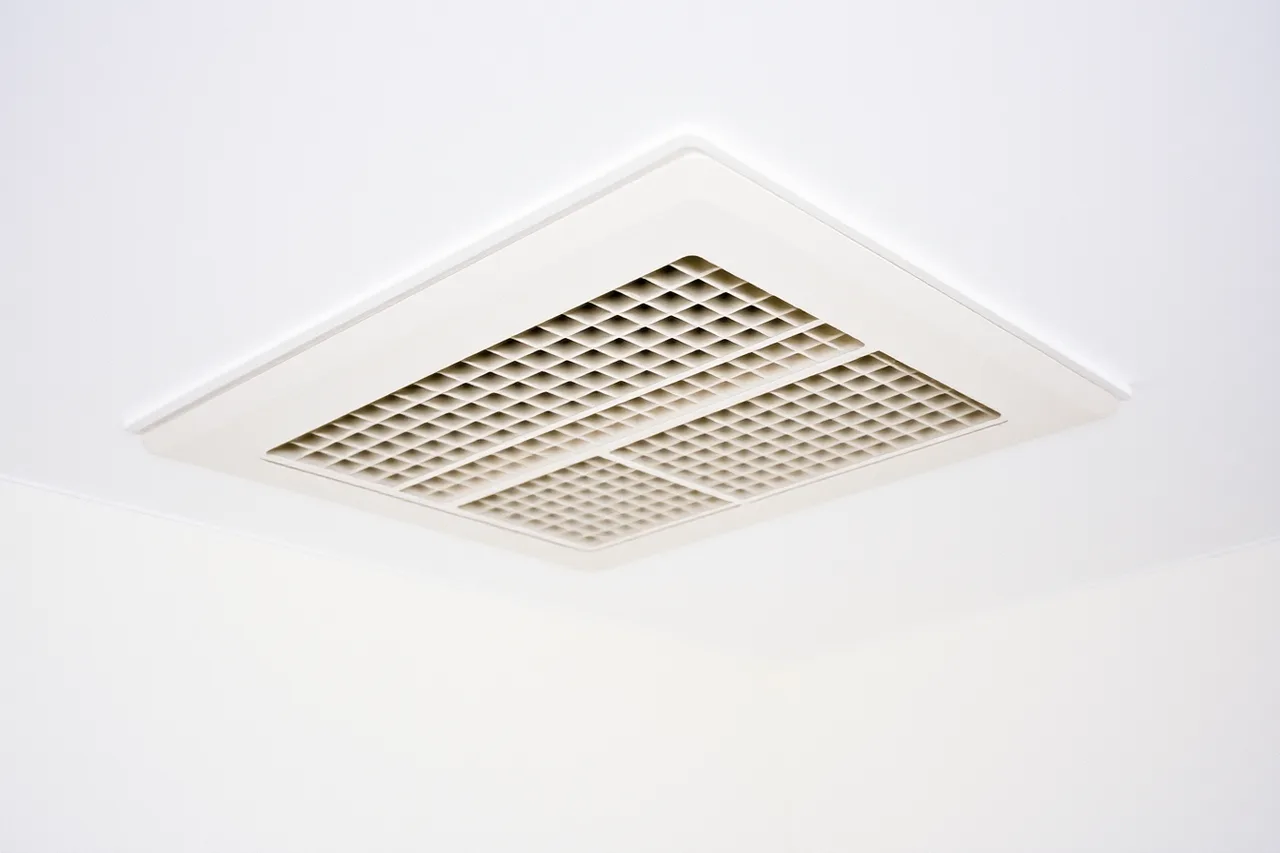
This is the single most common first-winter complaint, and the remedies are placement and airflow rather than equipment: register direction, furniture blocking returns, and fan settings. It is worth knowing before installation so it does not arrive as a surprise.
Habits that stop working
Deep overnight setbacks make sense with a furnace that can recover quickly at full output. With a heat pump, a large setback often means the recovery is met by resistance backup heat, which is the most expensive way to warm the house. Many households find steadier setpoints cost less, which reverses advice they have followed for years.
Setback habits: furnace vs heat pump
Furnace
- Overnight setback
- Large, recovers fast
- Recovery heat
- Full furnace output
- Best setpoint
- Deep setbacks
- Cost effect
- Saves money
Heat pump
- Overnight setback
- Large, costly recovery
- Recovery heat
- Resistance backup heat
- Best setpoint
- Steadier setpoints
- Cost effect
- Often costs less steady
Cooling behavior changes too. Nearly the entire U.S. housing stock now cools, and close to 90 percent of U.S. households used air conditioning in 2020, per EIA.
A heat pump usually replaces an existing cooling system as well as a heating one, so comparisons should account for both seasons.
Things that look like faults and are not
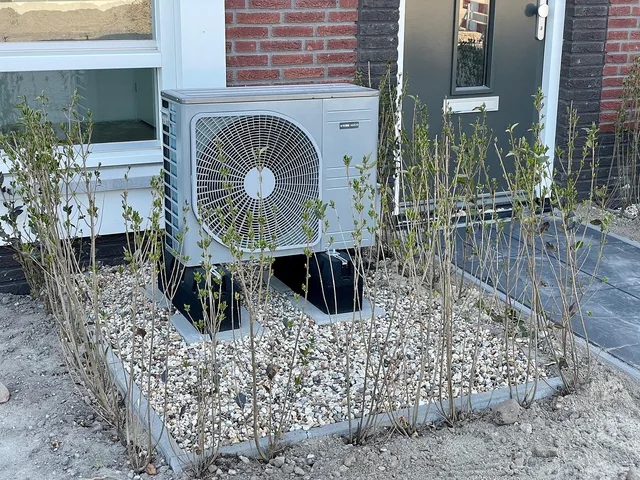
- Defrost cycles.Steam from the outdoor unit, a brief pause, sometimes a whoosh. Normal in cold damp weather.
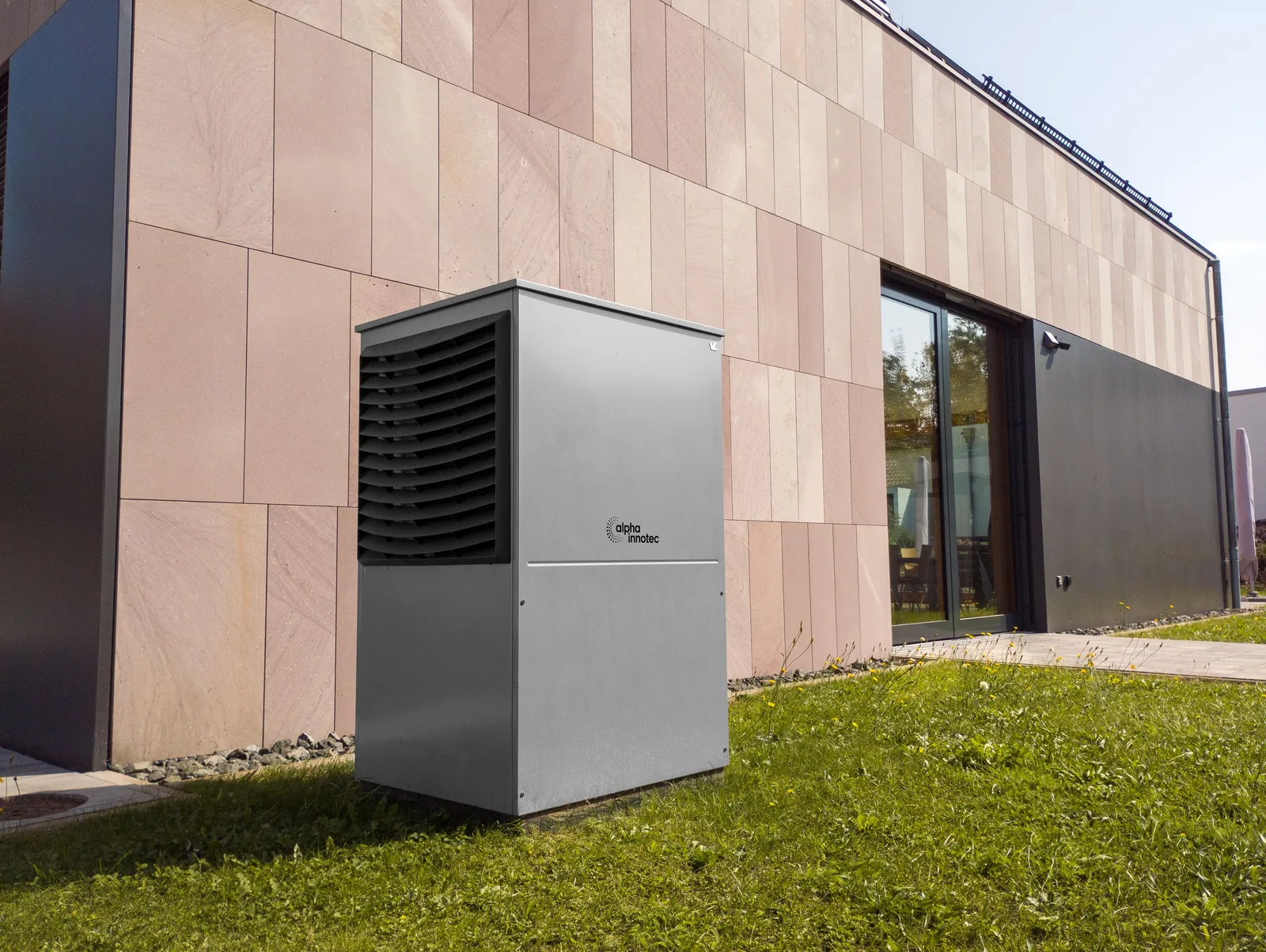
- The outdoor unit running in summer and winter.Expected; it is the same machine in both directions.
- Long run times.A correctly sized heat pump runs for long periods at low output. Short cycling is the problem, not long running.
- Ice on the coil that clears itself.Part of the defrost cycle. Ice that does not clear is a service call.
Where regional expectations differ
Heating expectations are not uniform across the country. EIA's observation that close to 5 percent of U.S. households did not use space heating in 2020, concentrated in warm regions is a reminder of how wide the range is. Advice written for a cold-climate household frequently makes no sense for a warm-climate one, and vice versa.
| Symptom | Check first | Escalate if |
|---|---|---|
| Feels drafty | Register direction, fan speed, return blockage | Supply temperature is well below expectation |
| High winter bill | Backup heat lockout settings | Settings are correct and use per degree day rose |
| Noisy outdoor unit | Mounting, clearance, debris | Noise is new and mechanical |
| Uneven rooms | Duct balancing, closed registers | Measured airflow is far off design |
Judging it properly
Feel is not measurement. Compare energy use per heating degree day against your pre-project baseline, using our method for measuring whether an upgrade was worth it.
If that ratio improved and the house is comfortable, the system works, whatever the first bill suggested; the system-type differences behind this sit in our comparison of heat pump shapes.