Maintenance
Part of Home electrification: panels, permits and upgrades
Keeping a home electrification maintenance routine on schedule
A month-by-month upkeep plan for heat pumps, electric water heaters and panels, plus the records to keep so warranty and service calls stay straightforward.
Electric equipment does not need less care than the gas equipment it replaced. It needs different care, on a different rhythm, and the failure modes are quieter. A gas furnace announces trouble; a heat pump running in backup resistance heat announces nothing at all except a higher bill in March.
What to take away
- Filters and outdoor coils drive most of the performance you lose over a year.
- Record baseline readings at install so later drift is visible.
- Keep the model, serial and installer contact in one findable place.
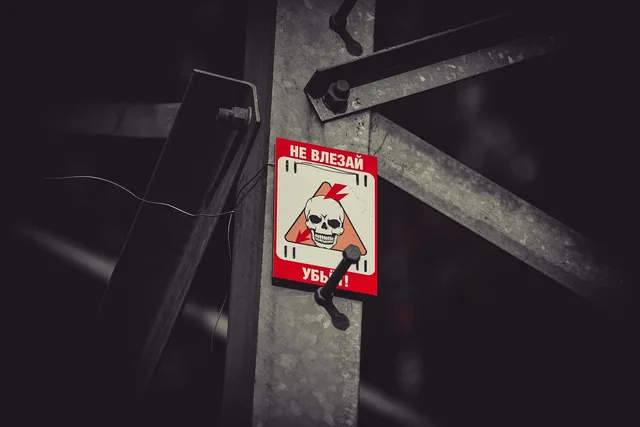
- Anything requiring the panel cover to come off is a licensed electrician's job.
Why upkeep matters more once you electrify
Space heating and water heating are where the money is. The EIA found that space heating and water heating together account for close to two thirds of home energy use. So a dirty coil or a stuck backup element shows up in the bill fast.
Small efficiency losses on a large end use cost more than large losses on a small one.
The upside is that the maintenance list is short. Most of it is homeowner work, done on a calendar, with a phone camera for records.
A workable annual rhythm
| When | Task | Who |
|---|---|---|
| Monthly in season | Check the air filter, replace when gray | Homeowner |
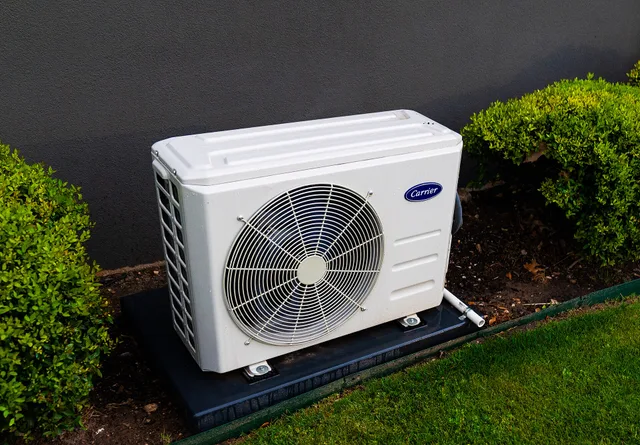
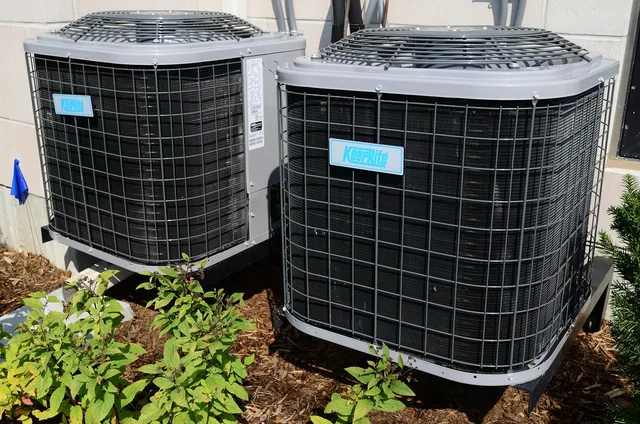
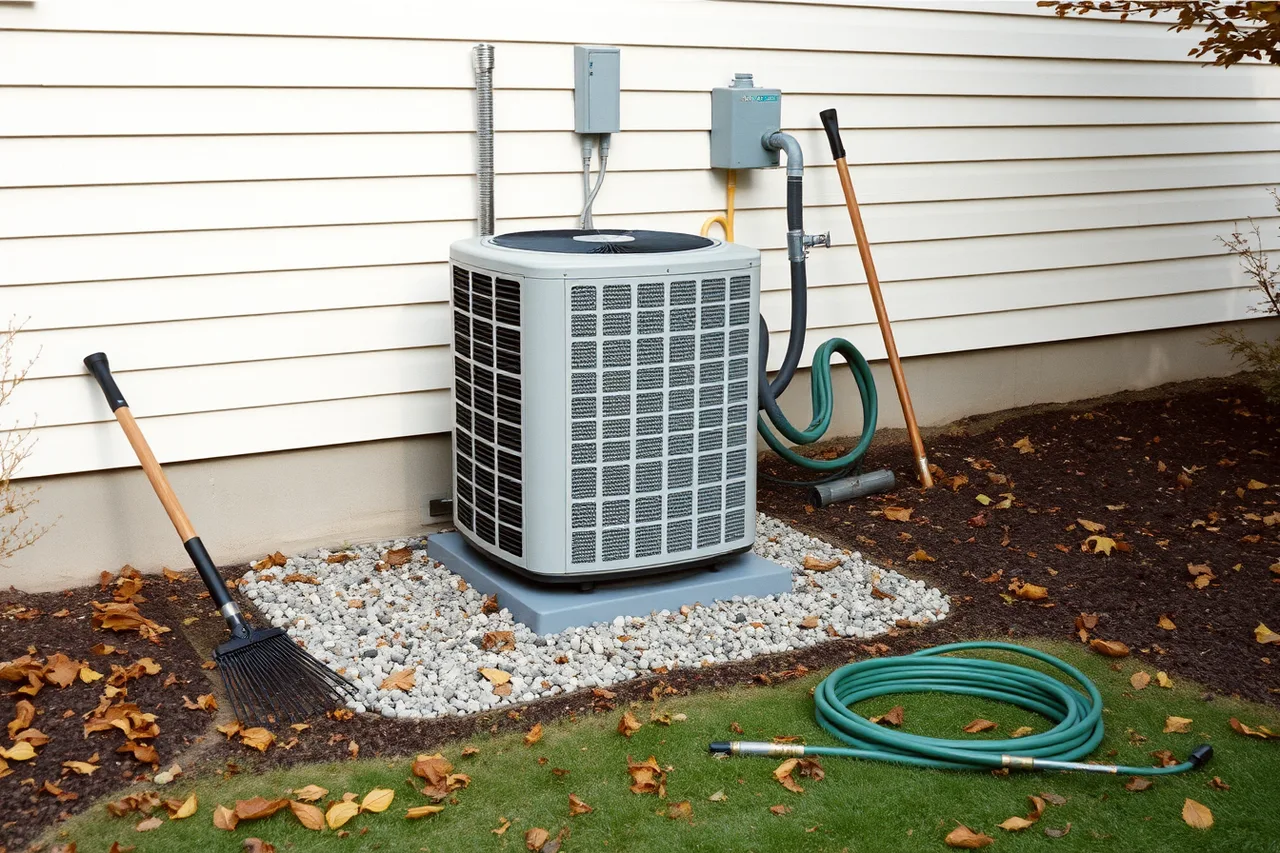
| Spring | Clear leaves and debris from the outdoor unit, hose the coil | Homeowner |
| Spring | Confirm cooling changeover works before the first hot week | Homeowner |
| Autumn | Confirm heating changeover and note the outdoor temperature | Homeowner |
| Autumn | Professional service visit, refrigerant and airflow checks | Licensed technician |
| Annually | Water heater temperature and pressure valve test, anode check | Plumber or homeowner |
| Every few years | Panel and connection inspection | Licensed electrician |
Keep at least eighteen inches clear around an outdoor unit, and do not let a deck, fence or snow drift block airflow into it. Indoors, do not close off supply registers in unused rooms; ducted systems are sized for the whole airflow and choking them raises static pressure.
Records that make the next call short
At handover, photograph the data plate on every new unit and the inside of the panel door with its circuit directory. Write down the installer's license number, the permit number, and the date of final inspection. Save the commissioning readings if the installer took any.
That file does three things. It makes a warranty claim quick. It lets a different company service the equipment without guesswork. It also shows whether performance has drifted.
An appraiser or buyer will ask for it later. If you have not chosen a contractor yet, the questions in our piece on how installers actually work cover what to ask for at closeout.
Where a program can help
Some upgrades deserve a structured quality-assurance route, not a lone quote. Home Performance with ENERGY STAR, run jointly by the Department of Energy and the Environmental Protection Agency, works through a network of participating contractors and sponsoring utilities. It requires a whole-home evaluation plus quality checks on completed work.
That structure matters most on envelope jobs, where the result is invisible once the drywall goes back.
Whatever route you take, the maintenance plan should be written down before the crew leaves, not improvised the following winter. The wider sequencing question is easier to answer once you know what each piece of equipment will actually ask of you.