Guides
Part of A guide to judging what a home energy monitor can actually tell you
5 lessons on residential energy monitor installation
What happens when an energy monitor goes into a panel, why it is licensed work, and the preparation that makes the electrician's visit short and useful.
Fitting a whole-home energy monitor takes an electrician an hour or two and takes you rather longer to prepare for properly. This article covers the sequence, the preparation that makes the visit efficient, and the reason the safety line here is drawn where it is.
What to take away
- Panel monitor installation is licensed electrical work, without exception.
- Service conductors stay energised when the main breaker is off.
- Circuit mapping before the visit saves money and improves the data.
- Commissioning means checking the readings, not seeing lights come on.
Why this is not a homeowner job
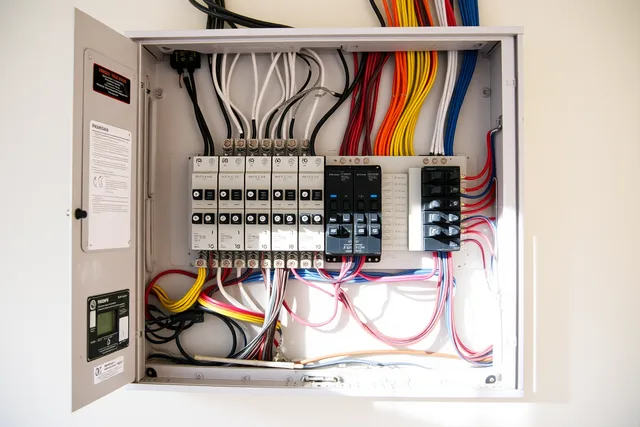
A panel-mounted monitor requires the cover removed and current transformers placed around live conductors. Two facts decide the matter. The conductors feeding the main breaker remain energised even when that breaker is off, because they come from the utility side. And the enclosure, once open, exposes busbars and terminations at full service current.
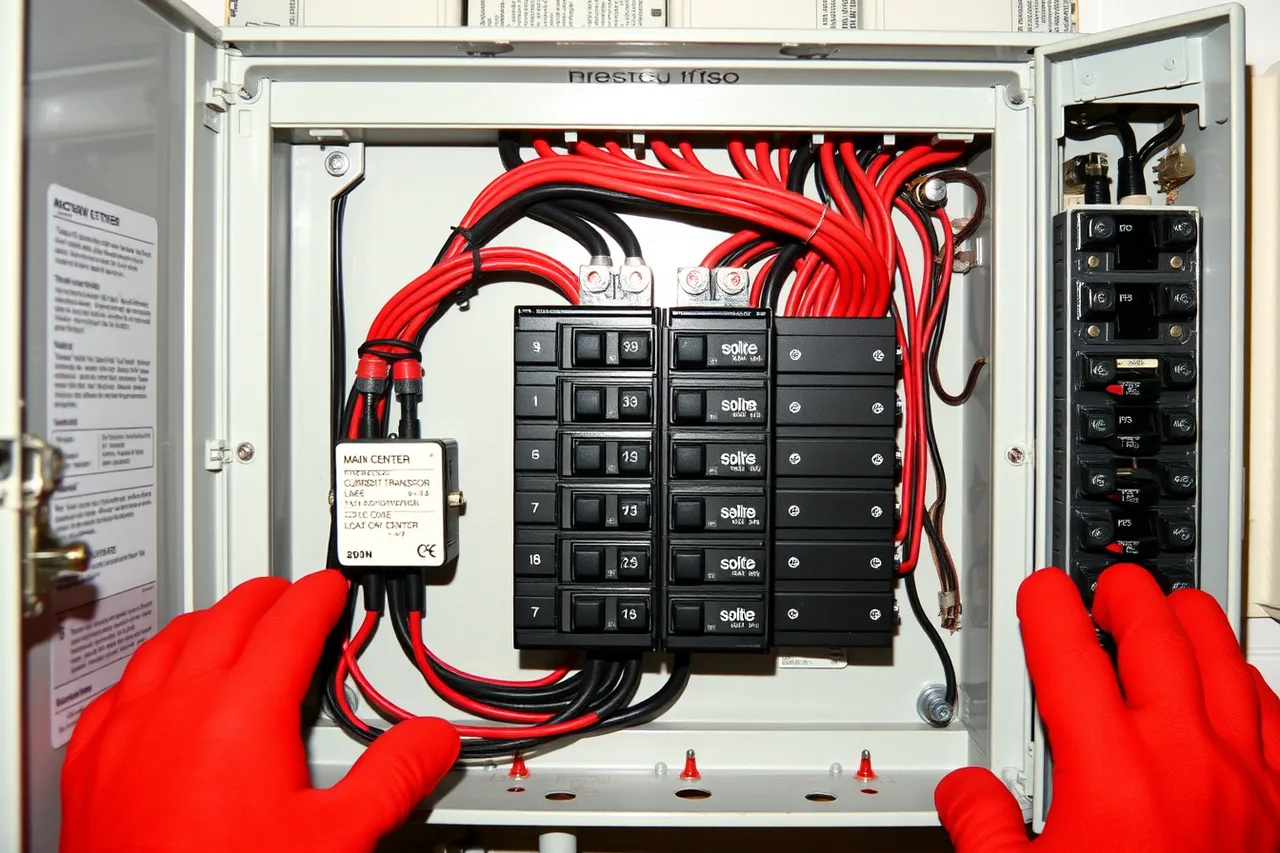
That is why this work is licensed in every U.S. jurisdiction, and why the internet's supply of confident tutorials is not a reason to attempt it. Plug-level monitors are entirely different and need no more than an outlet.
Preparation, which is your job
Do this before the electrician arrives:
- Map the circuits.Switch each breaker and note what it controls. Correct the directory on the panel door.
- Decide which circuits to monitor.Write a ranked list; channel count is usually limited.
- Photograph the open panel cover and the directory.Send it ahead so the electrician can confirm fit.
- Check the network.Confirm signal at the panel location, since many panels sit in basements or garages.
- Read the manufacturer's requirements.Some units need a specific supply arrangement or mounting position.
Circuit mapping is the item that most improves the outcome. A monitor attached to circuits nobody has identified produces data nobody can interpret.
The visit itself
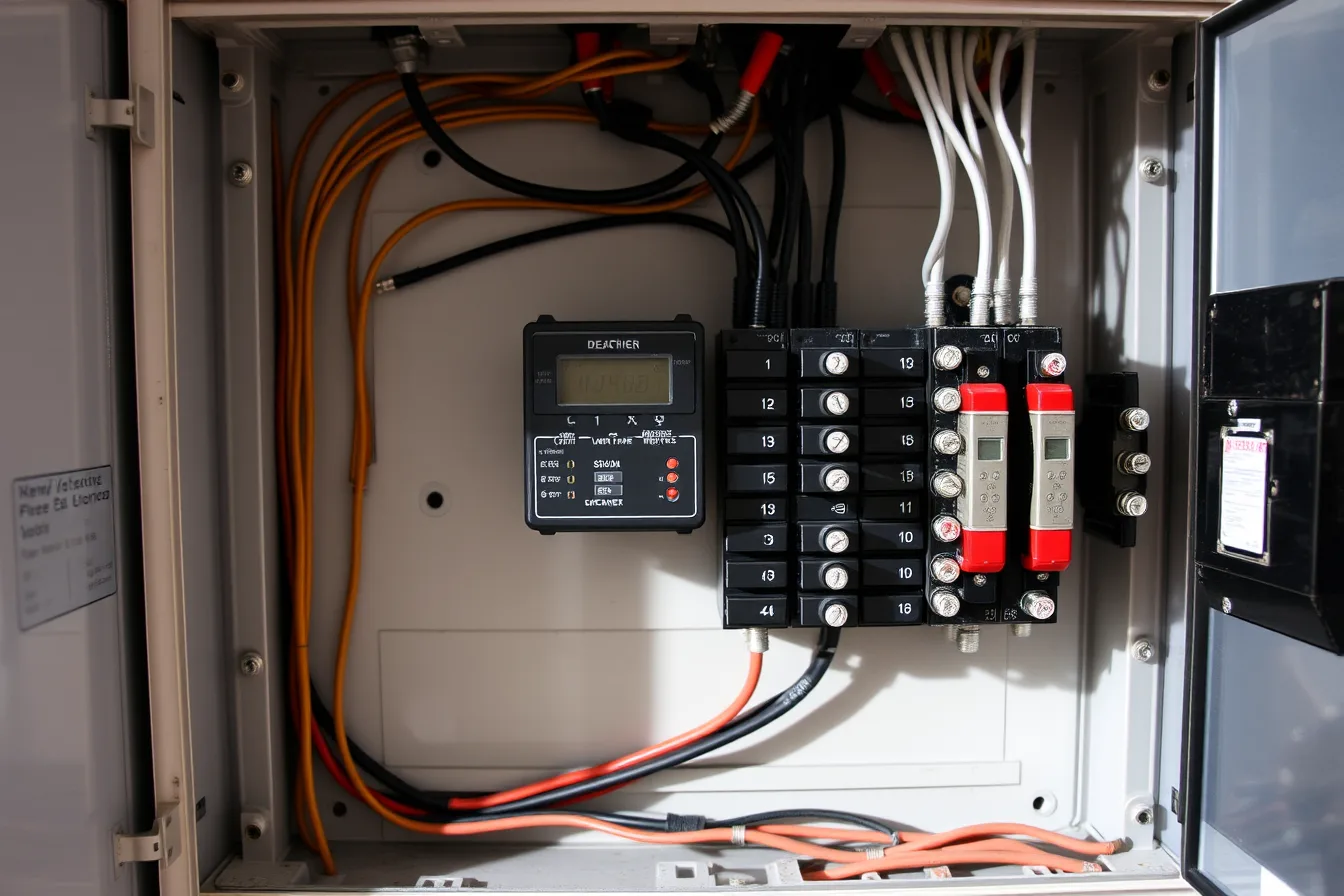
The electrician isolates and confirms dead where possible, opens the enclosure, mounts the monitor body, places the current transformers on the chosen conductors with correct orientation, connects the voltage reference, closes up and powers on.
Current transformer orientation matters: reversed transformers report negative or nonsensical values. Getting this right at installation is much easier than diagnosing it three weeks later.
Commissioning is a comparison
| Check | How |
|---|---|
| Whole-home total is plausible | Compare against the utility meter over an hour |
| Each channel is on the circuit you think | Switch a known load and watch the channel respond |
| Transformer orientation is correct | No persistent negative values on ordinary loads |
| Data is being written | Confirm the record covers the whole visit |
| Export works | Download a file before the electrician leaves |
That last row is worth insisting on. Discovering that export does not work is a product problem, and it is easier to act on while the installation is fresh.
Context for the numbers you will see
Your monitor watches one point in a much larger system. Utility-reported data such as the Annual Electric Power Industry Report data files covers sales, customers, revenue and metering across U.S. utilities, and it is the aggregate view of the same measurement your monitor is taking at household scale.
The sensing and controls hardware itself sits inside a wider research area; the Department of Energy's emerging technologies team covers that portfolio for buildings.
For the general shape of an installation visit, see our account of what installation involves; the monitoring levels themselves are covered in what a monitor can tell you.