Reviews
Part of A guide to judging what a home energy monitor can actually tell you
Eight questions to settle before buying a home energy monitor
What to settle before buying: the decision the data will inform, panel fit, solar and bidirectional flow, data ownership, and what happens if the vendor stops.
Energy monitors are bought on enthusiasm and abandoned on boredom more often than almost any other household device. The questions below are designed to find out, before purchase, whether this one will still be useful in a year. The first question is the one that decides the rest.
What to take away
- Name the decision the data will inform, or expect to stop looking.
- Solar and battery systems need bidirectional measurement.
- Confirm panel fit and conductor size before ordering.
- Ask what the device does if the vendor's service disappears.
The eight questions
- What decision will this data inform?If there is no answer, a month of utility interval data may serve you better and costs nothing.
- Which circuits do I want attributed?Write the ranked list before comparing channel counts.
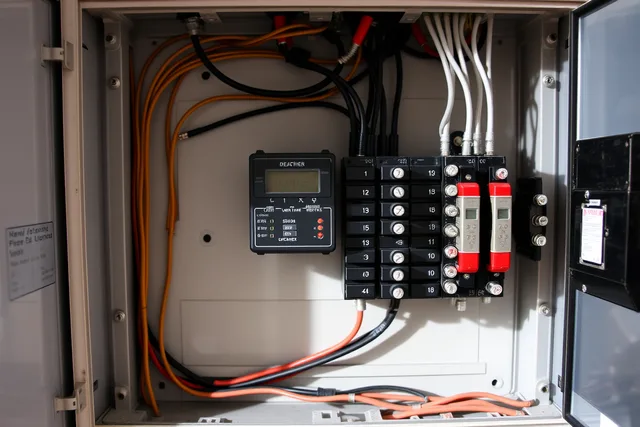
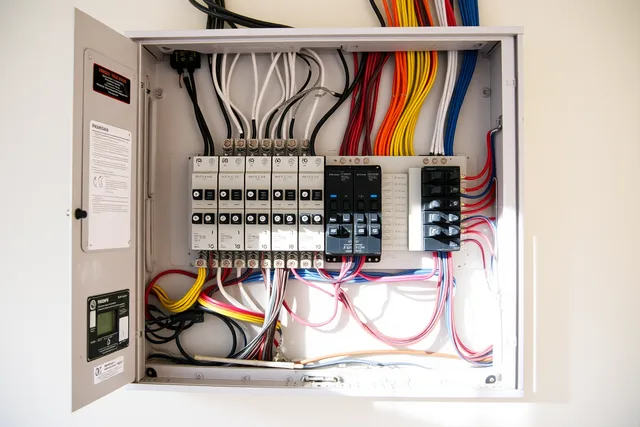
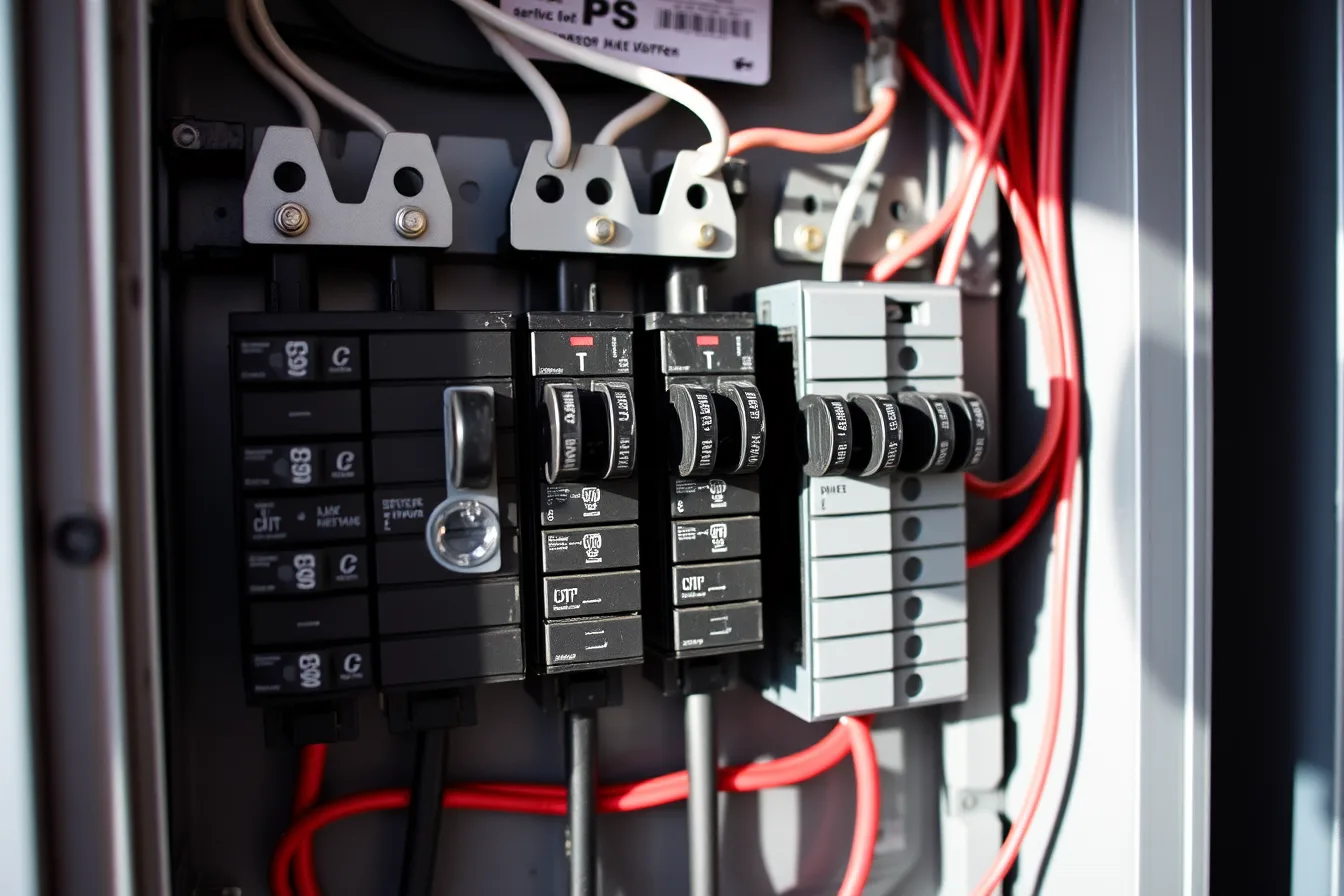
- Will it physically fit?Panel space, conductor size and current transformer rating, confirmed by an electrician from a photograph.
- Do I have solar or storage?Generation and export mean power flows both ways, and the monitor must handle it.
- Where does the data live?Local, cloud or both, and can you export the raw record.
- What happens if the vendor stops?Some devices become inert without a service that is not contractually guaranteed.
- Who else can see it?Sharing defaults, third-party integrations, and whether an installer retains access.
- What is the total installed cost?Hardware plus licensed labor, which is often the larger half.
Question one eliminates most purchases honestly. Question four eliminates most product choices technically.
Eight questions before buying
- What decision will this data inform?
- Which circuits do I want attributed?
- Will it physically fit?
- Do I have solar or storage?
- Where does the data live?
- What happens if the vendor stops?
- Who else can see it?
- What is the total installed cost?
Question six deserves more weight. A monitor is an instrument you expect to last a decade.
But a device that needs a vendor's servers to show its own history lives and dies by that company's business choices, not its hardware. That makes the residential energy monitor installation steps matter more, because the hardware you mount may outlast the service behind it.
Ask whether the data can be read locally, in an open format, with no account. Where the answer is no, treat the purchase as a subscription with a hardware deposit attached, and price it accordingly.
The costing question is the other one people answer too quickly. Hardware prices are advertised; licensed labor is not, and an electrician spending two hours inside a panel is a real invoice. Get that quote before choosing between products, because it can easily exceed the difference between the candidates you are comparing.
Solar changes the measurement problem
With generation on site, the flow at the panel is no longer one-directional. A monitor that assumes import only will misreport, sometimes dramatically, and disaggregation on top of a bidirectional signal is harder still.
Bidirectional flow with solar
- Solar generates power at the panel
- Flow is no longer one-directional
- Import-only monitors misreport, sometimes dramatically
- Disaggregation on a bidirectional signal is harder
- Ask vendor: net or gross flow?
- Ask vendor: how is export reported?
Behind-the-meter generation is no longer marginal. EIA reports that rooftop photovoltaic systems account for a fifth of Puerto Rico's capacity mix, an unusually high share that shows how much distributed generation can reshape what a meter sees.
The underlying technology is covered in EIA's explainer on photovoltaics and electricity. Read it before assuming a monitor will handle your array sensibly.
If you have or plan solar, ask the vendor directly whether the product measures net or gross flow, and how it reports export.
A short decision table
| If this is true | Then |
|---|---|
| You have no specific question | Start with your utility's interval data, free |
| You want appliance attribution | Budget for circuit-level channels, not disaggregation |
| You have solar | Only shortlist products that handle bidirectional flow |
| You rent | Plug-level monitoring only, unless the landlord consents in writing |
| Your panel is full or crowded | Get an electrician's opinion before ordering anything |
For the general purchase discipline, see our questions before buying induction; the monitoring levels are covered in what a monitor can tell you.