
Maintenance
Part of Home electrification: panels, permits and upgrades
Home electrification mistakes to avoid
Home electrification mistakes—from poor sizing to skipped permits—can lead to weak performance, rework, and avoidable expenses.
Home electrification mistakes rarely go wrong at the moment of purchase. They go wrong earlier, in an assumption nobody wrote down, and the cost surfaces two winters later as a bill nobody predicted. The mistakes below are ordinary, cheap to avoid in advance, and awkward to fix afterwards.
What to take away
- Skipping the load calculation is the single most expensive shortcut.
- National averages are a poor substitute for your own climate data.
- Envelope work done after equipment sizing locks in the wrong size.
- Undocumented work costs money again at service time and at resale.
Sizing from a rule of thumb
The oldest mistake is replacing equipment by matching the capacity of what was there before. The old unit may have been oversized when installed, and the house may have changed.
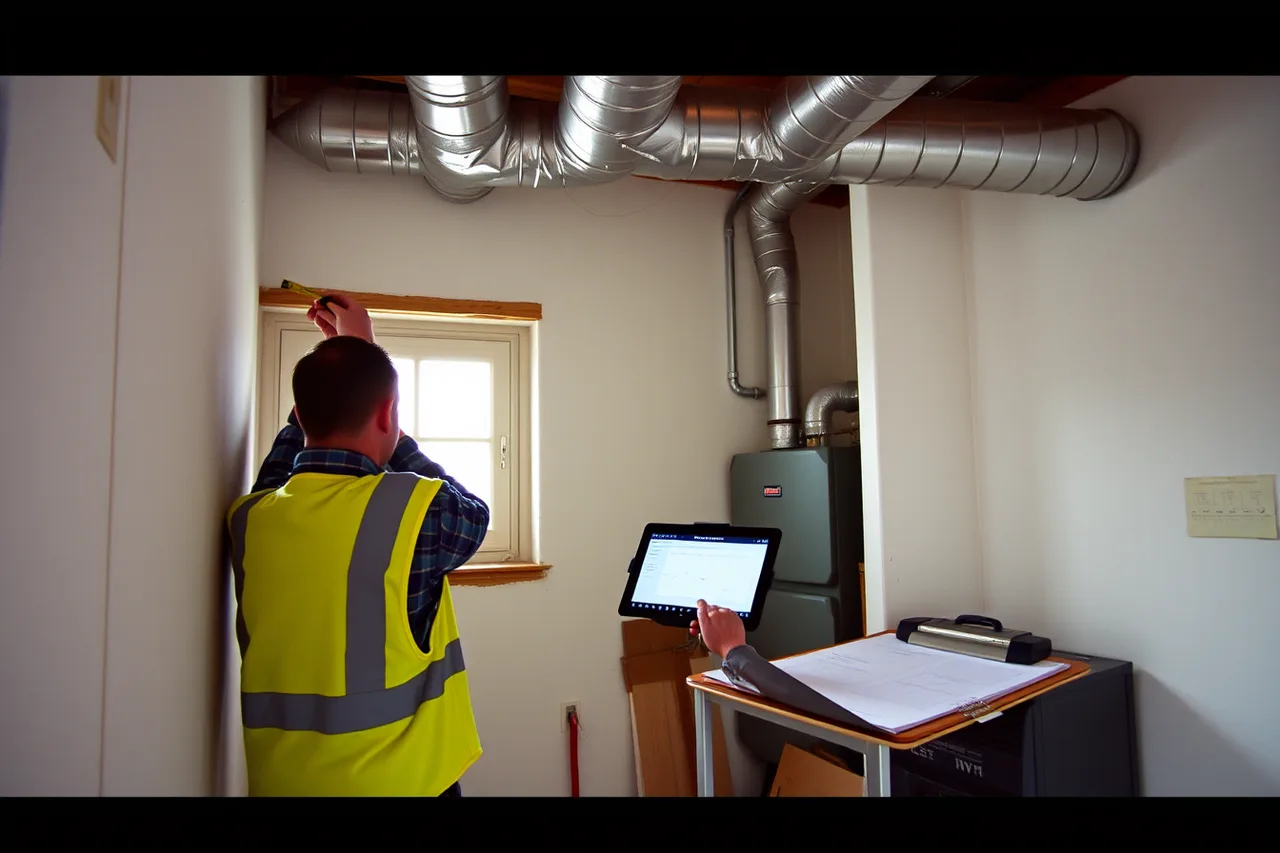
Oversizing produces short cycling, poor humidity control, more wear and a higher price. Undersizing pushes the system onto backup resistance heat, the most expensive way to make heat in an electrified house.
An ACCA Manual J residential load calculation based on the home's planned envelope is the fix; it takes hours rather than days. Ask for the written output, not just the conclusion. For a heat pump, check its capacity at local winter design conditions and choose a cold-climate model when needed; nominal capacity alone is not enough.
Assuming your climate is average
Households in different climates use energy very differently, and the gap is large enough to change which equipment makes sense. EIA analysis showing that homes in warmer states consume less site energy than homes in colder states is the summary version of a distribution that is wide at both ends.
Degree days are the practical tool for pinning down your own position. The EIA explanation of heating and cooling degree days covers how the measure works and why it is standard for comparing weather-driven demand across places and years.
Two houses with identical equipment in different counties will not produce comparable bills. Normalizing by degree days shows whether a change actually helped.
Doing things in the wrong order
Order matters more than most homeowners expect:
- Insulating after sizing the equipment means paying for capacity you no longer need.
- Adding circuits for an induction range or heat-pump water heater before an electrician checks panel and service capacity can mean redoing electrical work. Include planned heat-pump and EV-charger loads in that panel load calculation.
- Replacing a water heater with a heat-pump water heater before planning space heating and electrical loads can complicate circuit decisions.
- Finishing a basement before running conduit for a future EV charger turns a cheap pull into a demolition job.
None of these are dramatic. They are all cases of a reversible decision made permanent too early.
Paperwork mistakes
Unpermitted work is the classic false economy. It saves a fee, then costs an inspection, a correction, and sometimes a sale. Before work starts, ask the local building department or other authority having jurisdiction (AHJ) which permits and inspections apply. Electrical requirements generally follow the locally adopted National Electrical Code (NEC); the applicable edition and permit process vary by jurisdiction. Beyond permits, three record failures are common:
| Missing record | What it costs later |
|---|---|
| Load calculation output | No baseline when performance is questioned |
| Commissioning readings | Cannot prove drift, so diagnosis restarts from zero |
| Warranty registration | Claim denied on a technicality |
| Permit and inspection numbers | Delays or price reductions at resale |
Keeping these takes one folder. Recovering them takes phone calls to companies that may no longer exist.
Incentive assumptions
The last common error is budgeting around an incentive figure read somewhere generic. Check whether the federal Energy Efficient Home Improvement Credit applies under current rules, and whether your state has launched the Home Electrification and Appliance Rebates program (HEAR, also known as HEEHRA). Ask your utility for the official name and current terms of any heat-pump, heat-pump-water-heater, panel-upgrade, induction, or EV-charger rebate it offers. Eligibility, funding, and paperwork requirements vary by program and address. Confirm the current terms with your own utility and state energy office, in writing, before you commit to a price that depends on them.
For the wider planning frame, our electrification starting guide covers sequencing, and the breakdown of where the money actually goes shows which line items tend to move.