
Rules
Part of Home electrification: panels, permits and upgrades
Home Electrification Privacy: Data Sources and Questions
Home electrification privacy: Understand the three data sources, what interval data can reveal, and questions to ask about sharing.
Electrifying a house replaces a monthly gas reading with a stream of electricity data. That stream is genuinely useful for sizing equipment and catching faults. It is also a detailed record of when a household is awake, away, cooking or charging a car, which is why home electrification privacy deserves a few minutes of attention rather than a checkbox.
What to take away
- Interval metering can reveal occupancy patterns, not just totals.
- Utility data and vendor app data are governed by different rules.
- Consent for third-party sharing is usually separate from service itself.
- Ask what is retained, for how long, and who else receives it.
Where the data actually comes from
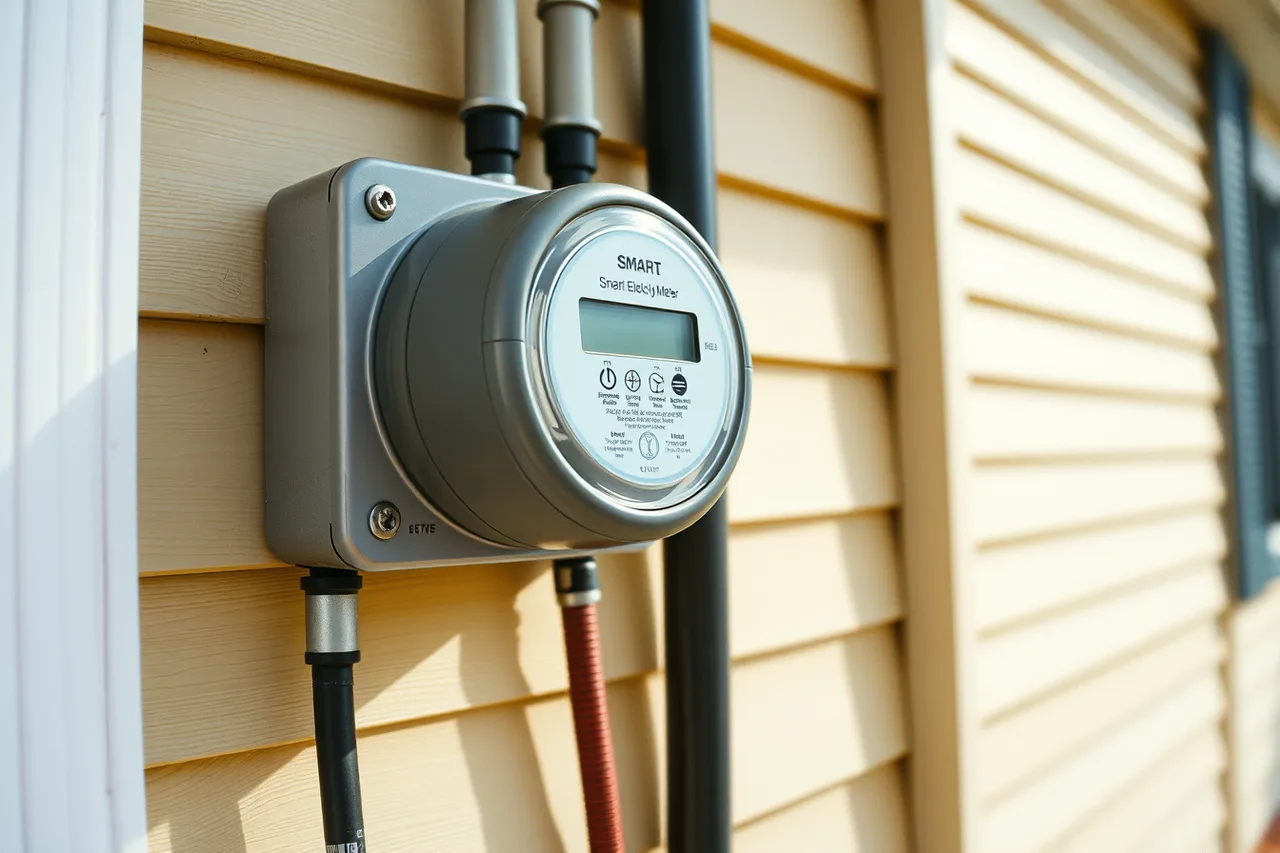
Three sources overlap in an electrified home. The utility meter is the first. Smart metering is no longer a niche arrangement; EIA reporting on how widely advanced meters have been installed shows adoption reaching a large share of U.S. electricity customers well before the current wave of electrification.
The second source is equipment. Connected thermostats, heat pumps, water heaters, inverters and chargers frequently phone home to a manufacturer's cloud service. The third is any energy monitor you install yourself at the panel, which typically produces the finest resolution of all.
These three are not covered by one policy. The utility is regulated by your state commission. The manufacturer is governed by its own terms of service. The monitor vendor is governed by a third set. Reading one tells you nothing reliable about the other two.
Rules vary by state. For a concrete example, California’s Public Utilities Code addresses the privacy and security of customer electricity-usage data, with the California Public Utilities Commission overseeing utility rules. This is a state example, not a nationwide rule.
Green Button Connect My Data is a named data-sharing standard that participating utilities may use to let customers authorize access to energy-use data; availability and permissions vary. For connected-device vendors, the Federal Trade Commission may address deceptive privacy claims under the FTC Act, but that does not replace checking the rules that apply to your utility.
What high-resolution data can show
Coarse monthly totals reveal very little. Fine interval data is different, because appliances have recognisable signatures. Depending on resolution, a record can suggest:
- When the house is empty, and for how long.
- When people wake and sleep.
- Whether a vehicle is charged at home, and on what schedule.
- Which large appliances exist and roughly how often they run.
None of that is sinister on its own, and utilities need interval data to run modern rates and demand programs. It becomes a question when the same record is shared onward, retained indefinitely, or attached to a marketing profile.
Questions worth asking before you sign
Before agreeing to a data-sharing consent, ask the utility or vendor for answers in writing:
- What resolution is collected, and what is stored long term?
- How long is it retained after service ends or the app is deleted?
- Which third parties receive it, and under what contract?
- Can the account be closed with the historical data deleted?
- Is participation in a demand program separate from ordinary service?
Grid data handling also sits inside a broader security conversation. The Department of Energy's Office of Electricity treats grid cybersecurity and communications as core program work, which is a reminder that these systems are defended assets rather than neutral plumbing. The consumer question is narrower, but it lives in the same building.
Practical steps that do not cost anything
Keep the monitoring you actually use and switch off the rest. Many devices ship with cloud reporting enabled by default and work perfectly well on a local network only. If a vendor requires an account to run basic functions, that is worth knowing before purchase rather than after installation.
Where a device is optional, weigh diagnostic benefit against exposure. A whole-home monitor that catches a failing element earns its keep. A connected appliance whose only added feature is a phone notification may not.
The same discipline that keeps a project on budget, described in our piece on the mistakes that add cost, applies here: decide what a feature is for before you enable it.
For the wider sequencing of an electrification project, the starting-point guide covers where these decisions land in the schedule.